Compare
Side by side
Choose two breeds. You’ll see the same strip of citeable traits — not a winner, and not kids / apartment / shedding scorecards.
Temperament lines are short plate excerpts, not a verdict. Open each plate for the full entry.
- AKC group
Working
- Size
Large
- Height
56–69 cm (AKC)
- Weight
~36–61 kg (AKC profile)
- Energy
Moderate
- Energy notes
Moderate. The AKC describes a muscular, athletic breed that should exercise every day and loves swimming, walking and trotting with its people.
- Trainability
Very high
- Coat
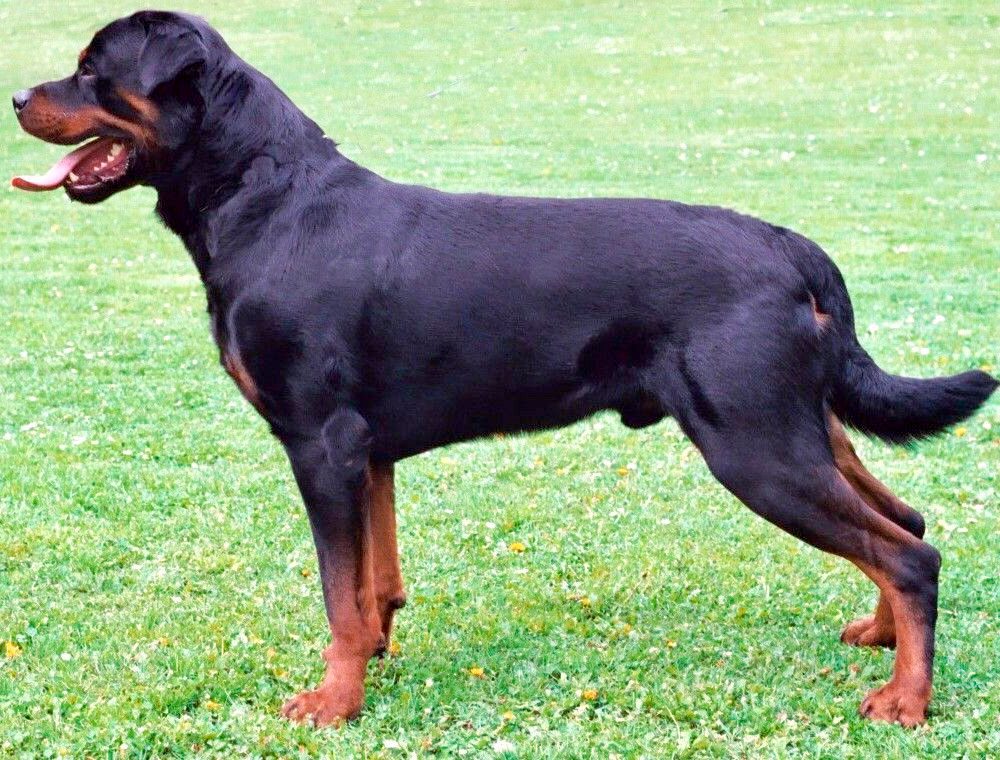
The outer coat is straight, coarse, dense, of medium length and lying flat, with an undercoat on the neck and thighs that should not show through.
- Origin
Germany
- Temperament
The AKC standard describes a calm, confident and courageous dog with a self-assured aloofness that does not lend itself to immediate and indiscriminate friendships. It responds quietly, with a wait-and-see attitude, to what goes on around it, and has an inherent desire to protect home and family.
- AKC group
Working
- Size
Large
- Height
~58–64 cm
- Weight
~34–39 kg
- Energy
High
- Energy notes
Stamina for hauling rather than speed. AKC's standard asks for a gait that is "steady, balanced, tireless and totally efficient" and says the breed "is not intended as a racing sled dog.
- Trainability
Moderate
- Coat
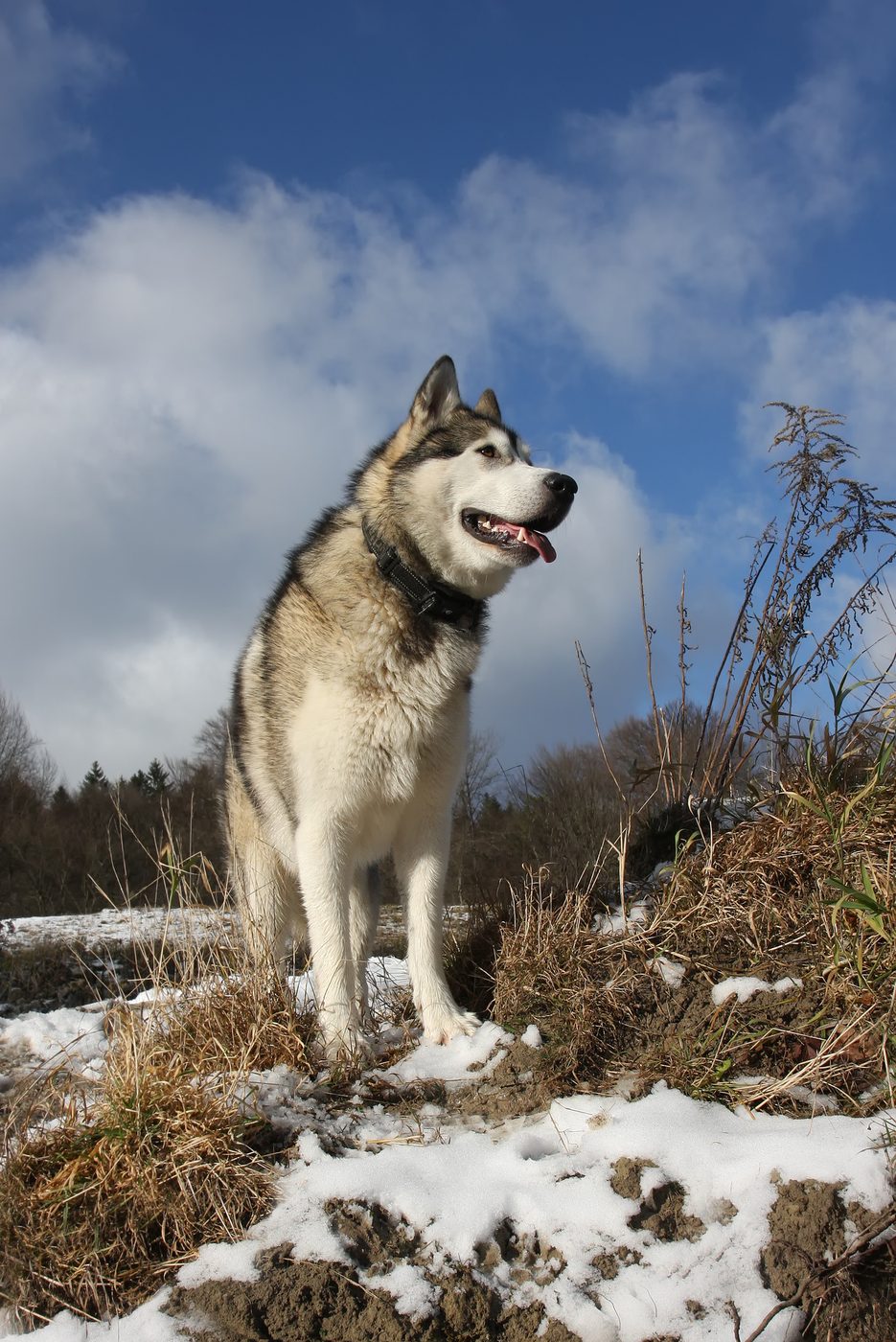
A thick, coarse guard coat, "never long and soft," over a dense, oily, woolly undercoat one to two inches deep (AKC).
- Origin
United States (Alaska)
- Temperament
AKC and FCI use the same words: "The Alaskan Malamute is an affectionate, friendly dog, not a 'one man' dog. He is a loyal, devoted companion, playful in invitation, but generally impressive by his dignity after maturity.