Compare
Side by side
Choose two breeds. You’ll see the same strip of citeable traits — not a winner, and not kids / apartment / shedding scorecards.
Temperament lines are short plate excerpts, not a verdict. Open each plate for the full entry.
- AKC group
Working
- Size
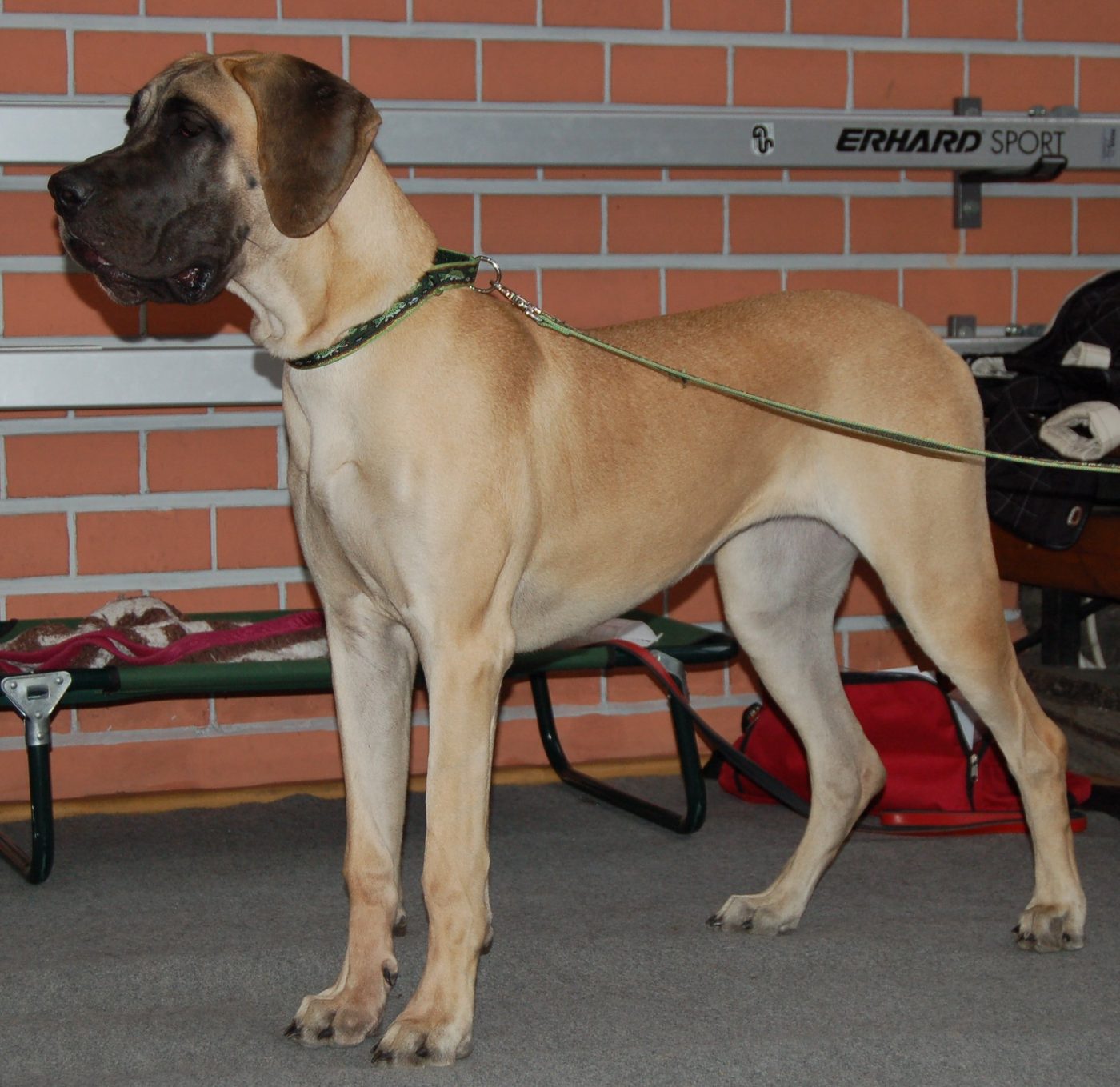
Giant
- Height
72–90 cm (FCI)
- Weight
~50–79 kg (AKC profile)
- Energy
Moderate
- Energy notes
Moderate. Danes may seem sedate, but the AKC says they need daily exercise suited to their age, and two or three brisk walks a day can be enough.
- Trainability
Moderate
- Coat
The coat is short, thick and smooth with a glossy shine.
- Origin
Germany
- Temperament
The AKC standard asks for a Dane that is spirited and courageous, always friendly and dependable, and never timid or aggressive. The FCI describes a dog that is friendly, loving and devoted to its owners, possibly reserved with strangers, and confident, fearless and docile, with a high tolerance for provocation.
- AKC group
Working
- Size
Giant
- Height
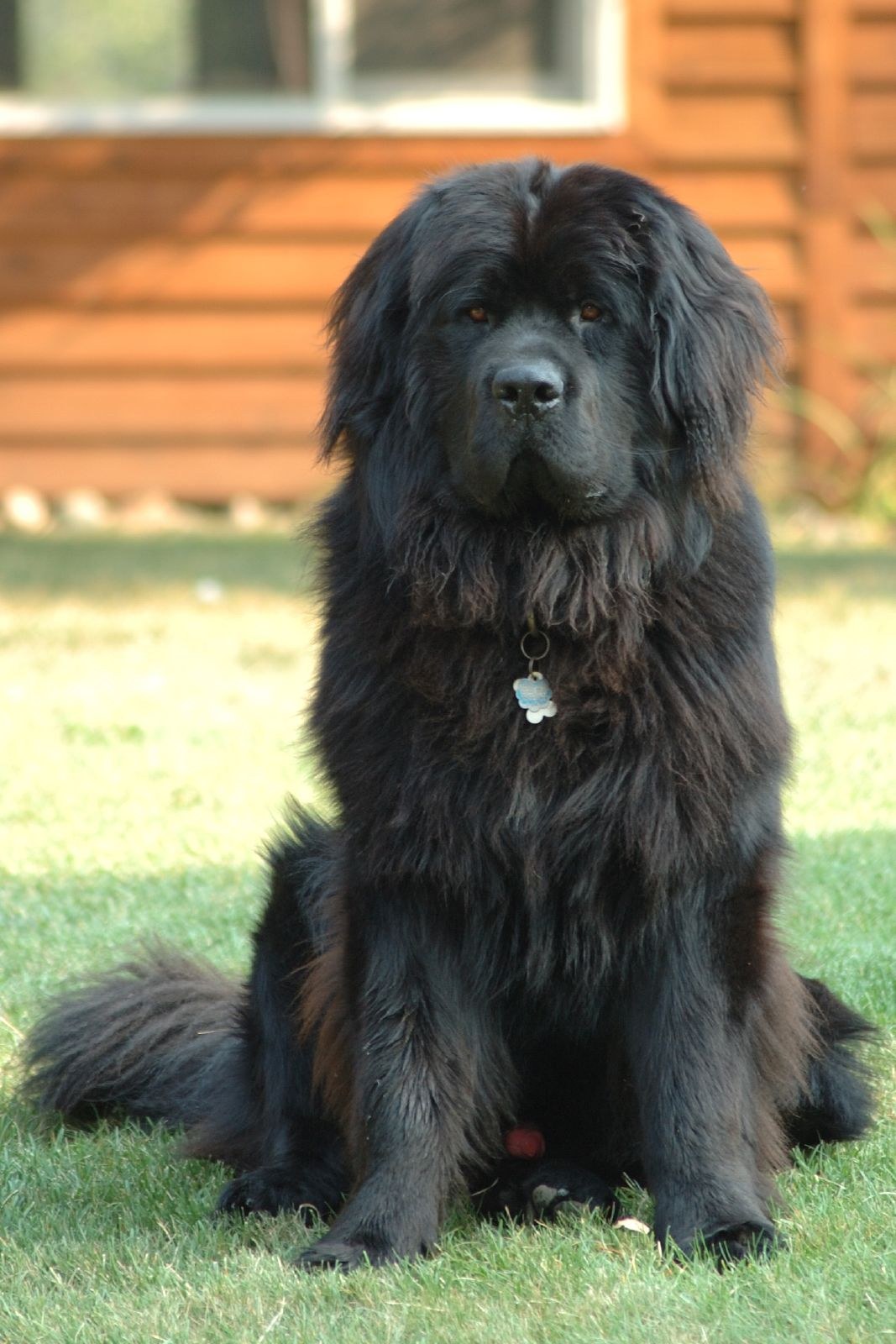
66–71 cm
- Weight
45–69 kg
- Energy
Moderate
- Energy notes
Moderate, in line with this site’s other giant Working plates and with AKC’s own exercise copy: “Newfoundlands need at least a half-hour of moderate exercise daily to stay healthy and happy. ” The standards still describe a powerful working athlete — AKC wants “good reach, strong drive… effortless power”; The Royal Kennel Club’s general appearance is “strength, great activity and effortless power”; FCI warns against a “sluggish appearance.
- Trainability
High
- Coat
A flat, water-resistant double coat.
- Origin
Canada (Newfoundland)
- Temperament
Sweetness of temperament is, in the AKC standard’s own closing words, “the hallmark of the Newfoundland; this is the most important single characteristic of the breed. ” The same standard opens by calling the dog sweet-dispositioned, neither dull nor ill-tempered, and a devoted companion, with an expression that reflects “benevolence, intelligence, and dignity.