Compare
Side by side
Choose two breeds. You’ll see the same strip of citeable traits — not a winner, and not kids / apartment / shedding scorecards.
Temperament lines are short plate excerpts, not a verdict. Open each plate for the full entry.
- AKC group
Working
- Size
Large
- Height
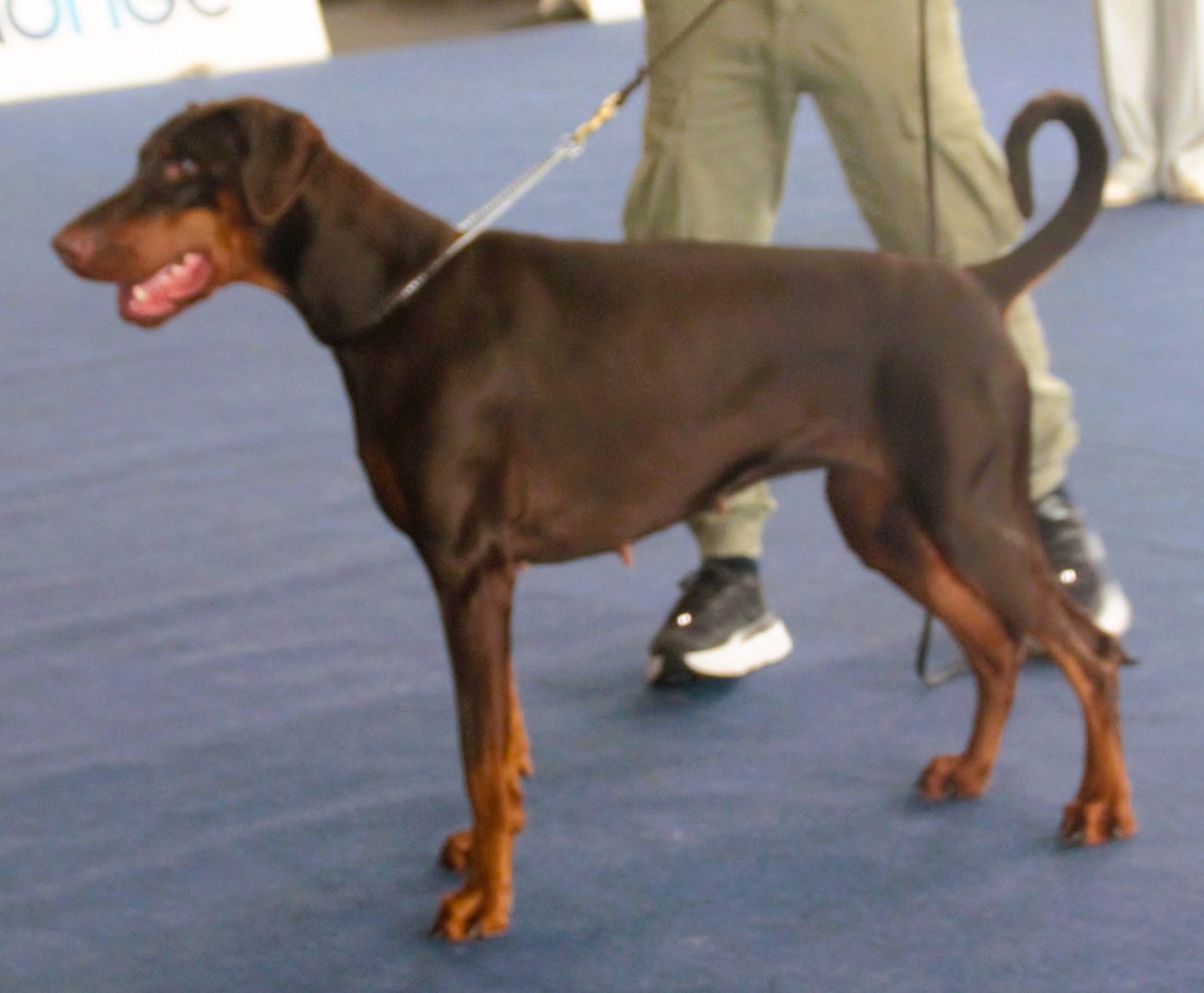
61–71 cm (AKC)
- Weight
32–45 kg (FCI)
- Energy
High
- Energy notes
High. The AKC standard calls the Doberman energetic and built for great endurance and speed, and the FCI classes it as a working dog with a working trial.
- Trainability
Very high
- Coat
The coat is short, hard, thick and close-lying.
- Origin
Germany
- Temperament
The AKC standard sums up the Doberman's temperament as energetic, watchful, determined, alert, fearless, loyal and obedient, and tells judges to dismiss any dog that is shy or vicious. The FCI describes a friendly, calm dog, very devoted to its family, with medium temperament and alertness and good contact with its owner; it is easy to train, enjoys working, and should be self-confident and fearless.
- AKC group
Working
- Size
Large
- Height
~58–64 cm
- Weight
~34–39 kg
- Energy
High
- Energy notes
Stamina for hauling rather than speed. AKC's standard asks for a gait that is "steady, balanced, tireless and totally efficient" and says the breed "is not intended as a racing sled dog.
- Trainability
Moderate
- Coat
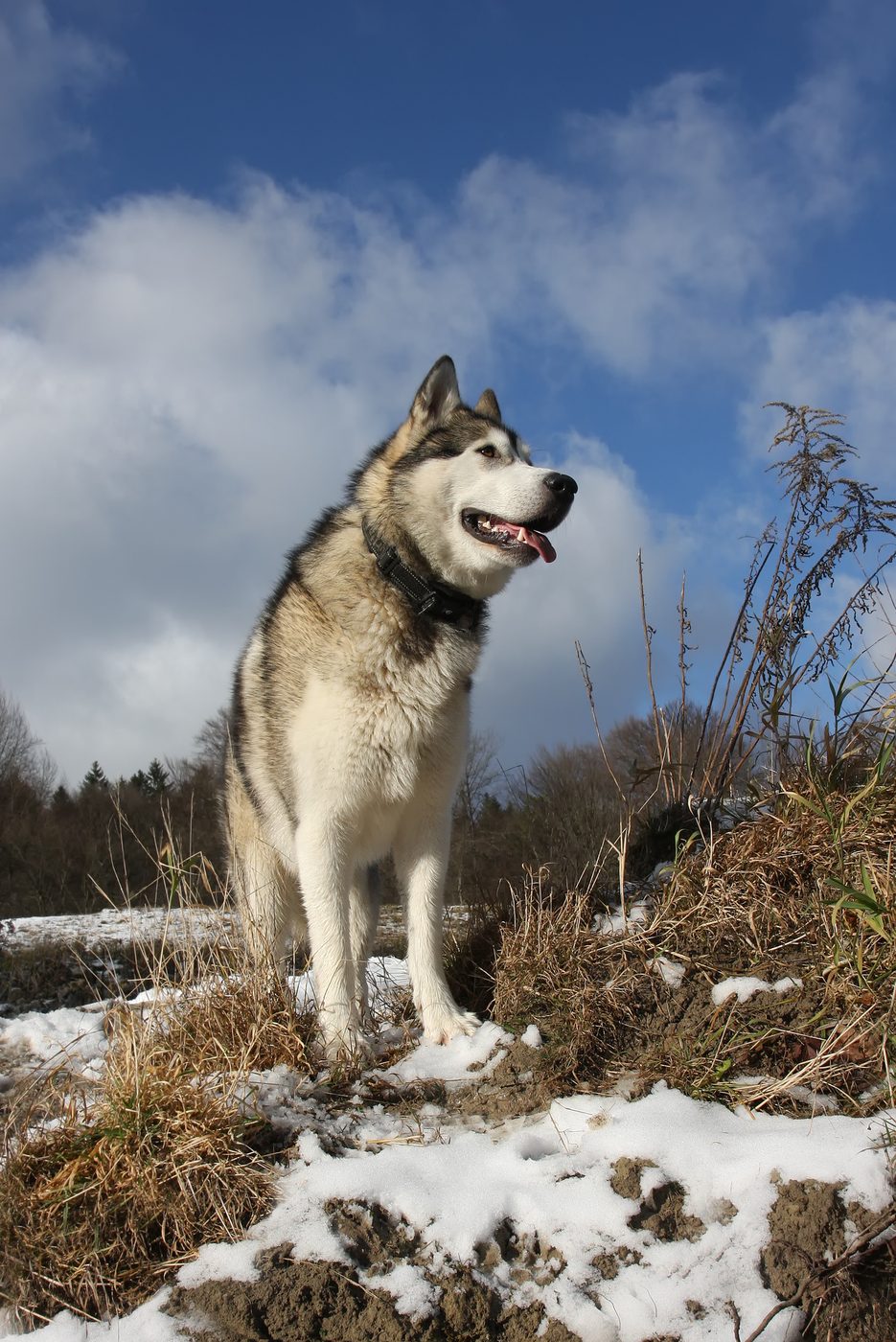
A thick, coarse guard coat, "never long and soft," over a dense, oily, woolly undercoat one to two inches deep (AKC).
- Origin
United States (Alaska)
- Temperament
AKC and FCI use the same words: "The Alaskan Malamute is an affectionate, friendly dog, not a 'one man' dog. He is a loyal, devoted companion, playful in invitation, but generally impressive by his dignity after maturity.